
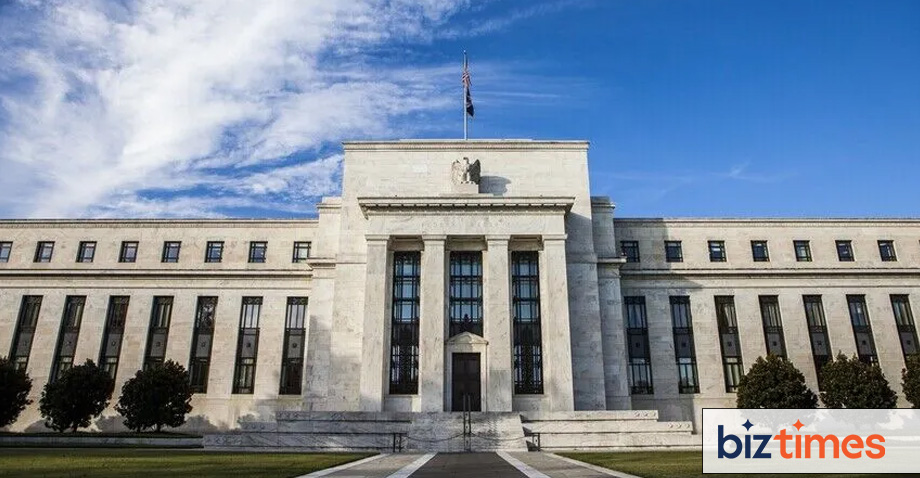
 The U.S. Federal Reserve has raised its benchmark interest rate for the first time in more than three years, aiming to curb persistent inflation. The policy rate was increased from the range of 3.50–3.75 percent to 3.75–4 percent, following a unanimous decision at Wednesday’s meeting.
Despite opposition from President Donald Trump, who has long urged lower rates, the Fed signaled that further hikes may be necessary if inflation remains high. Fed Chairman Kevin Warsh described the move as “cautious” and “responsible,” noting that inflation has stayed well above the Fed’s 2 percent target for over five years.
The rate hike will raise borrowing costs for bank loans, mortgages, and credit cards, while savers may benefit from higher returns. However, the impact extends beyond the U.S., influencing global markets and developing economies.
Warsh acknowledged that the Fed cannot directly control the prices of specific goods such as oil, but emphasized that monetary policy can prevent inflationary pressures from spreading across sectors. He added that lower-income households stand to benefit most if inflation is brought under control.
Major U.S. banks including JPMorgan, KeyCorp, and BNY Mellon have already raised their prime lending rates from 6.75 to 7 percent, signaling higher costs for consumer credit.
Global Impact
- Bond markets: Higher U.S. rates reduce the value of existing fixed-rate bonds in secondary markets, while new bonds offer higher yields.
- Capital flows: Investors shift toward U.S. bonds, creating pressure on developing economies as capital outflows weaken local currencies.
- Inflation risks: Rising dollar costs increase import expenses and foreign debt burdens, forcing local central banks to raise rates, which can slow growth.
Bangladesh, where the dollar has already strengthened, may face further currency pressure if global dollar demand rises.
Outlook
Most Fed policymakers expect rates to climb to 4.25–4.50 percent by next year, with possible cuts projected in 2028–2029 as inflation gradually eases toward the 2 percent target.
Meanwhile, other major central banks are also tightening policy. The European Central Bank raised rates last week, and the Bank of England is set to announce its decision on Thursday.
